

SPOKANE, Wash. — Washington lawmakers are beginning negotiations on as colleges and universities warn proposed cuts could further strain already tight resources.
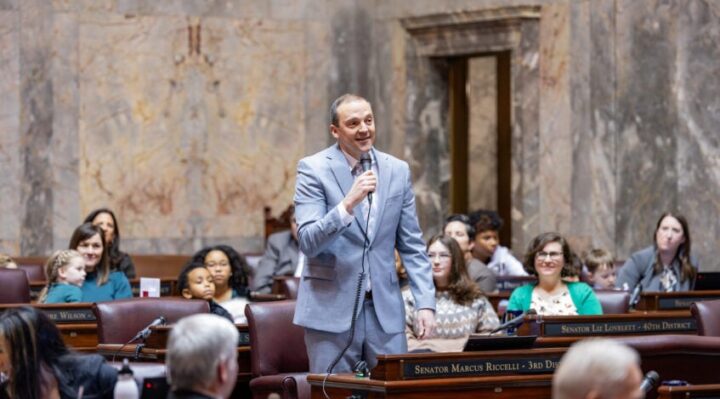
Gov. Bob Ferguson’s budget proposal includes reductions for higher education, prompting concern from schools across the state, including Eastern Washington University and Sen. Marcus Riccelli, D-Spokane, said the proposal is only the first step in a longer process.
“Well, again, that’s the governor’s proposal. It’s a first draft,” Riccelli said. “The Legislature is now coming together to write a budget. So the governor is statutorily required to put out a budget… but again, we have separation of powers.”
Riccelli said that lawmakers should focus on preserving programs that demonstrably improve student outcomes.
“We should prioritize investments in programs where evidence shows improvement in student outcomes,” Riccelli said, pointing to FAFSA completion, enrollment, retention and degree attainment.
Riccelli said that the importance of maintaining funding for the Washington College Grant, which helps low- and middle-income students afford postsecondary education.
“I personally believe that education is a great equalizer,” Riccelli said. “It’s the only way that we can grow our economy from the middle out.”
As universities face rising costs and enrollment declines, Riccelli said that the Legislature must examine both spending and revenue options while keeping education affordable for students.
“We have to scrub the budget, eliminate waste, and look for where we can find efficiency,” he said. “A budget is a reflection of our values as a state.”
Riccelli said that education remains a top concern for constituents in Spokane and across Washington.
“What I’ve heard from folks here in Spokane and across our state is that the essential services we need to prioritize are education, health care, housing and small business support,” he said.
To help close the state’s budget gap, Riccelli said lawmakers are discussing potential new revenue sources, including a tax on high earners.
“If you’re making over $1 million, and we’re struggling with some of these other cuts, it’s worth the conversation to see if we can put ourselves on a more sustainable trajectory,” he said.
Riccelli also said that Washington state must ensure higher education programs align with workforce needs while remaining accessible.
“People can’t end with four years and be in a debt load that is really going to impact the future,” he said. “Whether or not they can purchase a house, whether they feel comfortable starting a family.”