
A new study from the University of Washington claims U.S. Border Patrol accessed, both with permission and without permission, networks from Flock Safety belonging to Washington State law enforcement agencies.
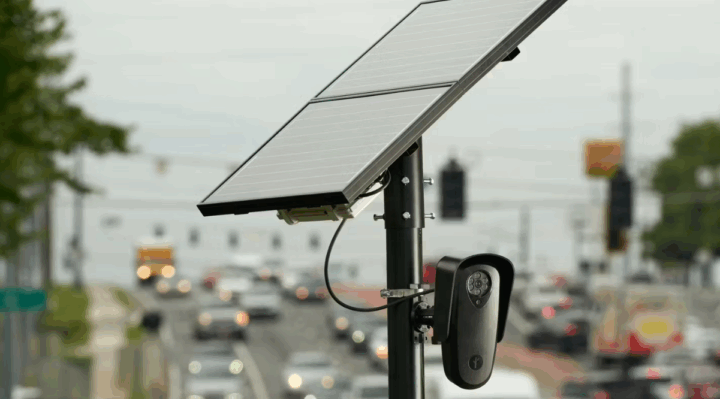
Flock Safety produces cameras that use AI to read car license plates and stores the data in a centralized database. The cameras also log data like color, make and other physical descriptive features of the car, sending all the info to the database.
According to Flock, each user sets the rules about who can access the data collected by their equipment. Data is never automatically shared with other agencies, according to Flock.
Several local law enforcement groups, including the and the , use Flock Safety to aid law enforcement.
The study, released on October 21, 2025 and written by the University of Washington Henry M. Jackson School of International Studies, says that Flock Safety networks have become increasingly common in Washington state.
The study utilizes Flock audits and records and identifies eight Washington state law enforcement agencies that shared their network with U.S. Border Patrol and at least ten instances where U.S. Border Patrol accessed Washington police department networks without the departments’ permission.
The study also identifies “numerous” instances where Washington state agencies made searches on behalf of federal immigration enforcement agencies.
Flock released a response to the study on October 22, 2025, which said that the report contained “many mischaracterizations and factual errors.”
Flock said it wanted to clarify its policies in response.
In the response, Flock said “Every Flock customer has complete control over their sharing relationships, and Flock never shares customer data without their knowledge or permission.
Additionally, Flock said it made the change to remove federal agencies from Statewide or National lookup options for network requests. This move was intended to make it easier to identify federal agencies’ use of Flock, according to its August 25, 2025 statement on the decision.
In response to NonStop Local’s request for comment on University of Washington’s Flock study, U.S. Customs and Border Protection said its Blaine Sector “utilized a standard subscription service to access law enforcement information for criminal law enforcement purposes, to include narcotics trafficking investigations.”
The agency said that this usage is permissible under the Keep Washington Working Act.
“Recklessly limiting the Border Patrol’s ability to use law enforcement camera systems could hinder crime detection and delay response times, ultimately affecting the safety and well-being of our communities,” the agency said.