
SPOKANE, Wash. – The newly implemented ‘Complete Streets’ ordinance by Mayor Lisa Brown yesterday tightens accessibility rules for city-sponsored transportation projects.
However, while the effects of the law may not present themselves on Spokane’s streets for a few years, the law also shifts language in the municipal code to help the city more likely to receive state funding for its projects.
The first “Complete Streets” ordinance in Spokane was passed in 2011. The City of Spokane was an early adopter of a complete street ordinance, according to City Council Member Kitty Klitzke, who helped pass the 2025 law.
The ordinance focused on making streets “complete” by adding options for pedestrians, cyclists and accessibility on every road in Spokane. It drew from the city’s Master Plan and the Pedestrian Master Plan, as did the 2025 version.
The law required city projects on roadways to include plans making the roadway a “complete street.” The 2025 law does the same thing.
In 2011, the law was sponsored by a coalition of community groups that cared about pedestrians, cyclists and accessibility issues in Spokane roads. Although it was controversial, it passed the city council vote 4-3.
In order to make the law pass, several exceptions had to be built into the bill, said Klitzke, allowing a number of projects to exclude “complete street” requirements.
The 2025 law reduces these requirements, specifically on freight on truck routes, meaning that the law will be applied to more transportation projects.
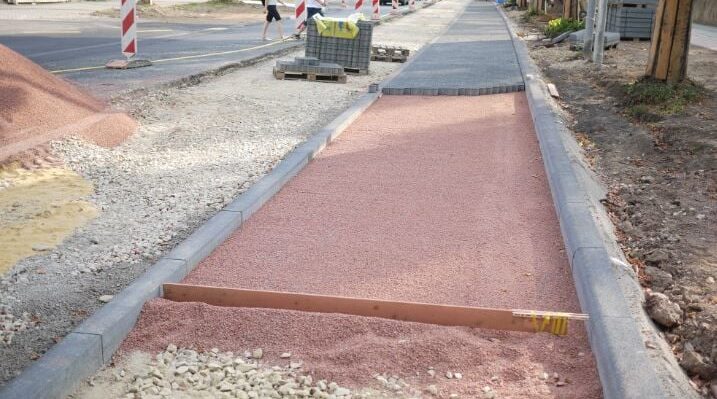
The 2025 law also adds that all street projects must include elements as called for in the Americans with Disabilities Act (ADA) Transition Plan. It also includes an amendment, which Klitzke added before the bill went to vote, that adds that construction projects need to leave passage for pedestrians.
The new regulations might not affect projects that have already been planned, said Klitzke. Instead, they are more likely to effect plans three to six years down the line. The City of Spokane’s transportation plans can be found on their 2026-2031 Six Year Streets Comprehensive Program.
A consequence of adding requirements for constructions projects is that it makes them more expensive, said Klitzke.
“The Six Year Street plans are interesting because, it’s in the plan, it’s prioritized, but it’s not always funded and we have only so much money from the street bond and our own local funding sources that we can use,” she said.
Instead, funding from the state and federal level plays an important role.
“What we see actually gets built sometimes is affected by what the state and federal government are in the mood to fund,” Klitzke said.
The 2025 law tries to address this issue by changing the language of the law to match language at the state level.
The new law replaces old language requiring “Complete Streets” to “utilize the latest and best design criteria” with specific transportation guidelines like the National Association of City Transportation Officials Design Guidance.
This might help them apply for grants like ones provided by the state of Washington. In 2022, The state of Washington passed their own “Complete Streets” law, which offers grant money for regions that comply with their regulations.
Other funding comes from the federal level.
“The last time we were under a Trump administration and they were influencing transportation policy, they really liked bridges. They were pretty supportive of bus rapid transit projects, which is what we’re working on in North Division, and STA has a really good reputation of being on time and under budget,” said Klitzke.
Klitzke explained that sometimes when state or federal funding helps push forward larger projects, local funding can be used for other smaller projects.
In terms of local funding, Klitizke said “I think we’re in a pretty decent place.”
She said that changes like raising license tab fees by about $5 or removing exemptions on fees for people who drive personnel vehicles that weigh over six thousand pounds could provide funding for more sidewalk projects.
“It could be worth it because this isn’t just safety projects for pedestrians and bicyclists. This is safety projects for drivers too,” she said.
Ultimately, Klitizke said that public support and feedback help identify dangerous intersections and other problems, which gives important information to the department.
“If it’s not reported, we don’t know about it. So keep calling 311, keep calling the police. If there’s something going on, keep calling us. If you just have an infrastructure concern, we are trying to work on it,” she said.