
SPOKANE, Wash. — Spring may not seem like cold and flu season, but respiratory viruses are spreading differently this year, prompting the Washington Department of Health to extend RSV vaccines for infants another month.
The unusual patterns have highlighted growing concerns about vaccine hesitancy as infectious diseases like measles and whooping cough make a comeback across the region.
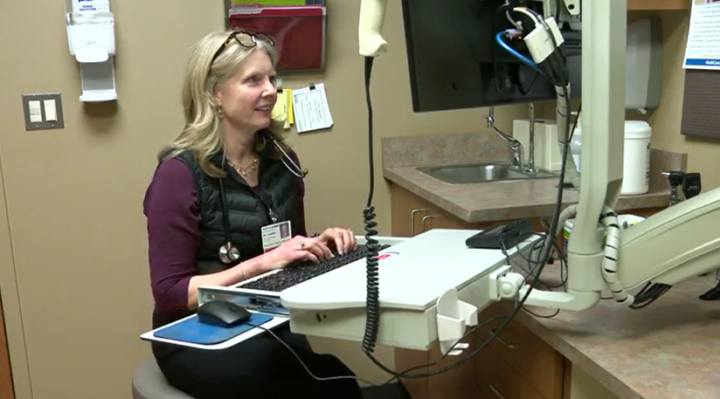
Dr. Gretchen LaSalle, a family physician and vaccine expert who practices with MultiCare in Spokane, says the changing landscape requires doctors to meet patients where they are rather than making assumptions about their vaccination decisions.
“There’s all sorts of viruses and diseases that will return if we don’t maintain a high level of vaccination,” Dr. LaSalle said.
Dr. LaSalle says she takes a proactive approach to her conversations about vaccines during appointments. She emphasizes the importance of understanding individual concerns rather than categorizing patients.
“Because we can’t make assumptions about why people don’t vaccinate, you know for some people it’s like I have a volleyball game tonight and I don’t want to be sore, but I’m going to go get it the next day. And if we go in thinking they’re an anti-vaxxer we’ve set up this barrier between us,” Dr. LaSalle explained.
Breaking down those barriers starts with addressing common misconceptions about vaccines, Dr. LaSalle says.
It’s not too late for flu, COVID shots
One persistent myth Dr. LaSalle encounters is flu, COVID-19 and RSV vaccines should only be given in the fall and winter. She tells patients that timing remains flexible and the vaccinations can still provide protection against these diseases.
“Influenza A tends to come in the fall and winter, influenza B tends to be more in the springtime,” Dr. LaSalle said. “It’s not too late to get a COVID shot either, really because you can get COVID all year long, it’s never too late to get a COVID vaccine.”
Vaccines protect healthy people too
Another misconception Dr. LaSalle addresses is that vaccines only benefit vulnerable populations. She points to CDC data on pediatric flu deaths to illustrate why healthy individuals also need protection.
“Typically, year over year, 40-50 percent of those kids were entirely healthy kids, they had no asthma, they had no diabetes, they had no risk factors for complicated disease. And when it happens and it kills people, it kills people quickly,” Dr. LaSalle said.
Financial motivations aren’t driving recommendations
Dr. LaSalle also dispels the myth that doctors push vaccines for financial gain, explaining that vaccination programs often operate at minimal profit margins.
“There’s no like, pay per shot, and vaccines actually are not a money maker for most clinics, in fact that’s the reason a lot of clinics don’t offer them especially in smaller clinics,” she said.
As CDC guidelines for vaccines continue to evolve, the West Coast Health Alliance recommends flu, RSV and COVID shots for families seeking to protect themselves and their communities as these viruses circulate.
Dr. LaSalle emphasizes that vaccine discussions shouldn’t be limited to specific seasons or appointments. She incorporates these conversations into routine care throughout the year.
“Our health department locally, our health department at the state level are very concerned with public health and infectious diseases and keeping their population safe and making vaccines available to our children and adults,” Dr. LaSalle said.
© 2026 KAYU FOX 28. All rights reserved. Content may not be reproduced, distributed, or transmitted without written permission.