

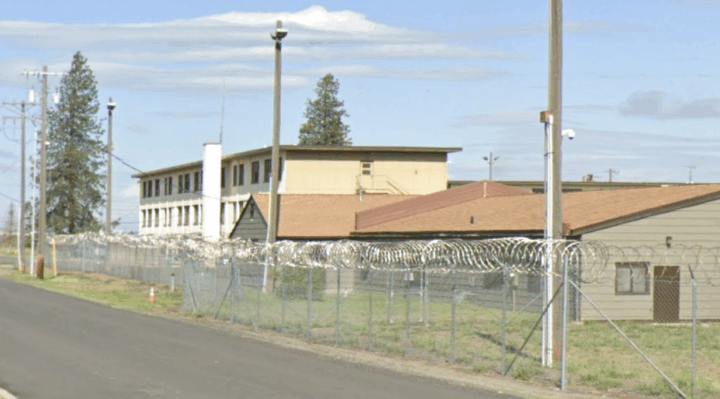
Spokane County, Wash. – Spokane County Commissioners are considering closing the Geiger Corrections Center as one element to address a $7 million detention services budget gap going into 2026. The potential closure could impact programs that benefit inmates, including educational opportunities and electronic home monitoring.
During the budget meeting on October 13th, commissioners discussed operational savings options totaling $2.29 million with Detentions Services Chief Donald Hooper. One proposal involves closing a building at Geiger, reducing the facility’s capacity from 220 to 180 inmates, and relocating 40 inmates to downtown Spokane. This move is estimated to save $588,000 by reallocating six officers to fill vacant positions and reducing overtime.
The County leases the Geiger facility, the estimated cost of the lease for 2026 is $451,000.
Commissioners are also evaluating the elimination of vacant and filled positions to save $289,000, along with potential cuts to programs like work crews and electronic home monitoring. The work crew program, which provides life skills to inmates and services to the community, could see a reduction of three positions, saving up to $433,000.
Another proposal includes cutting the electronic home monitoring program, which offers an alternative to incarceration. This could save $246,000 but might lead to more individuals being jailed if not picked up by private companies like Moon Security.
Commissioners also considered the impact of eliminating educational programs at Geiger, which cost $174,000. These programs offer classes such as GED preparation, financial literacy, and anger management.
Commissioner discussions highlighted the need for careful consideration of the potential consequences of closing Geiger. Concerns were raised about the loss of valuable inmate programs that help reduce recidivism and benefit the community.
The commissioners are seeking further analysis and detailed cost assessments to make informed decisions about the facility’s future and the broader implications for the community and inmate population.