

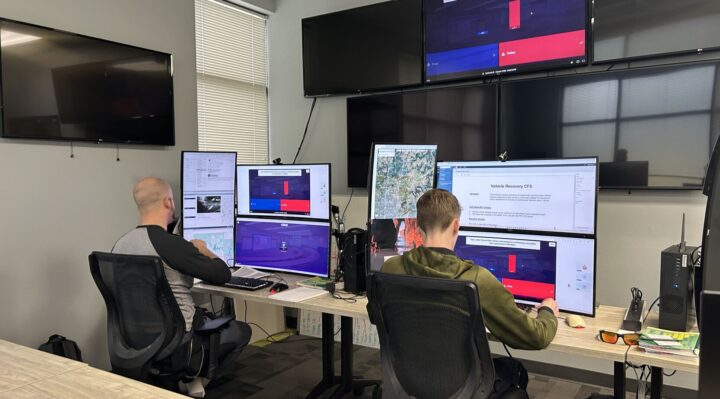
SPOKANE COUNTY, Wash. — Spokane Regional Emergency Communications has implemented an artificial intelligence answering system that officials say is improving response times and reducing wait periods for non-emergency callers.
The AI system, which has been operational for two months, automatically triages calls to the Crime Check non-emergency line, directing callers to appropriate resources without requiring human intervention.
“When an emergency call comes in, that’s the priority call. And so any subsequent calls that would come in on our non-emergency lines through Crime Check, they would sit in a queue until those emergency calls are handled,” said Kim Arredondo, deputy director of Spokane Regional Emergency Communications.
The automated system addresses a longstanding problem where non-emergency callers faced extended wait times while dispatchers handled higher-priority emergency calls.
“So the AI system is set up to triage these calls for us. And so it can help streamline the process for the citizen,” Arredondo said. “So there’s no delay. The system is it’s intuitive, so it knows where to go and what to do and how to handle those calls.”
The AI system greets callers with a prompt: “To get you to the right place, please tell me how I can help you.”
Officials say many calls to the emergency communications center should actually be directed to other agencies, such as Spokane County Regional Animal Protection Service or the front desk of local police departments. The automated system now handles these redirections.
“When we look at the workload for our staff, those are a lot of calls that we can’t actually help that citizen, but they still need the resource. And so using this software allows us to still get them the resources they need without burdening the staff on a call that wasn’t theirs to begin with,” Arredondo said.
In the past two months, Spokane Regional Emergency Communications has received more than 55,000 calls. Officials report that over 30% of these calls could be resolved without speaking to a communications officer.
However, not all callers embrace the technology. Some attempt to bypass the AI system to speak directly with a human dispatcher.
“If they try to bypass it for a person, they could be put into a queue to hold, to wait for a person to answer that call as their triaging the emergency calls,” Arredondo said. “And so if you’re bypassing that system, you’re kind of delaying your own process.”
The system allows dispatchers to dedicate more time to handling emergency calls while ensuring non-emergency callers still receive appropriate assistance. Officials emphasize that when used correctly, the AI system benefits everyone by reducing wait times and improving overall efficiency.
Spokane Regional Emergency Communications continues to monitor the system’s performance as it works to balance technological innovation with public safety needs.
© 2026 KAYU FOX 28. All rights reserved. Content may not be reproduced, distributed, or transmitted without written permission.