

Film makers behind “Fentanyl: Death Inc.” say that fentanyl has killed more Americans in the last five years than all combat in wars in the last century, and that the U.S. lost more lives to fentanyl last year than all the 58,000 deaths in the Vietnam war, which spanned ten years.
The documentary will screen in Spokane on Oct. 28.
This same group produced an earlier documentary on the realities of homelessness.
Both of these documentaries heavily feature Spokane. “Fentanyl: Death Inc.” claims the route into the country is from China, to drug cartels in Mexico and then also to biker gangs coming down into cities like Spokane, Seattle, Portland and Vancouver from Canada.
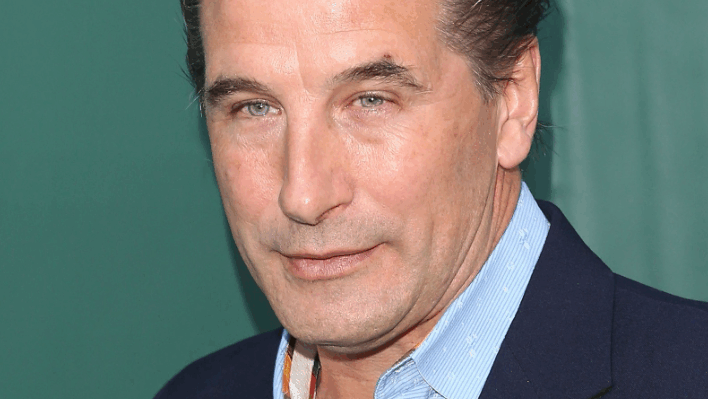
Hollywood actor and producer, Billy Baldwin narrated the documentaries.
“We’ve been in the Pacific Northwest a lot. We’ve been in San Francisco, Sacramento, Spokane. We’ve been to Seattle, Portland, and Vancouver. With Fentanyl: Death Incorporated, we’ve been to China to capture the reality and how the precursors come into the cartels in Mexico and come into the biker gangs in Canada, and how it gets across the border. Spokane is a big component. When we were doing the documentary ‘Americans with No Address,’ we were in 22 cities in 18 states doing research. Spokane is a community we were in doing both “Americans with No Address” and “Fentanyl: Death Inc.” Like Sacramento, Spokane is slowly recovering from the ashes of covid and the scourge of fentanyl.
“Fentanyl: Death Inc.” claims the route is from China, to drug cartels in Mexico to biker gangs coming down into cities like Spokane, Seattle, Portland and Vancouver from Canada.
Though the documentary supports fighting fentanyl from flowing into the U.S. It underscores that comprehensive, mental health treatment is how the country will beat the crisis
“We don’t really have a fentanyl crisis. We don’t have a homelessness crisis. We have a mental health crisis. We don’t have the funding to treat this mental health crisis in this country,” Baldwin said.
Baldwin added that the U.S. needs dozens of comprehensive mental health clinics, where doctors treat patients for six or eight months, and that it will cost less than the current approach.
“When you have people calling 911 six times in one day for one person in Spokane or Seattle, you have the fire department, the ambulance, the sheriff’s department and the police all responding. The taxpayer pays. That person goes to the hospital. The taxpayer pays. They get admitted. They go to the courts system. They get incarcerated. The taxpayer pays. It’s affecting businesses. You go downtown, how is it affecting tourism? How is it affecting the quality of life? It’s costing you more to do what you are doing right now,” Baldwin said.
The filmmakers tried to show that comprehensive treatment is a better option than pumping more funding into the fentanyl crisis.
“Some people want to be compassionate about it and throw money at it, sometimes irresponsibly. You can put people in housing. They’re no longer homeless. That’s amazing, but they’re still mentally ill and they’re still addicted. Now they’re alone. That’s a very dangerous situation. We don’t have a multidisciplinary approach that goes beyond just housing, which is expensive. If you want to have people back on their feet, functioning, independent, this is the type of care they require,” Baldwin said.
Fentanyl: Death Inc. also gives a message of hope
“We have three million homeless people in the U.S. 1.6 million are children. Is it their fault? No. Some are PTSD veterans. Is it their fault? No. Some are mentally ill. Is it their fault? No. We need to help these people. There is hope. There are programs that are doing amazing work in Spokane, Seattle, Portland and San Francisco. They are on the road to recovery, but we have to be patient,” Baldwin said.
Baldwin said it’s wrong to think people living on the streets choose that life. He encourages you to say hello and show compassion.
“They don’t have healthcare. They don’t have access to doctors. They are suffering from anxiety, depression, and bipolar disorder. They can’t go to a doctor to get medication to treat that. They’re treating it on the street with fentanyl and alcohol and methamphetamine. Over and over again, what I hear from them is that they want to be seen. They want to be heard. I’m not saying invite them to your house. I’m saying, when you see them, smile at them. Say hello. You say, “Have a great day today.” That in-ad-of itself is very helpful,” said Baldwin.
Fentanyl: Death Inc. screens Tuesday, October 28th at 5:30 p.m. at the Fox Theater in downtown Spokane. Afterward, Baldwin and the producers will answer your questions in a panel discussion.
Tickets are between $10 and $15, and space is limited.